Our work
Learning by building real things.
Our cohorts pair a common foundation with a real project. Over six to twelve weeks, teams take a problem from a real organization to something that works.

Our work
Our cohorts pair a common foundation with a real project. Over six to twelve weeks, teams take a problem from a real organization to something that works.
Programs
With Numana · 2026
A ten-week, fully virtual quantum computing program for Quebec CEGEP students, with no prerequisites. The first cohort ran from January to March 2026: 19 students built seven team projects in quantum cryptography, search, cryptanalysis and optimization, and presented them at Humanitek 2026.
Applied AI
An organization brings a real problem. A team of participants scopes it, builds it and takes it to a working prototype, with mentorship from our team and from people in the field. More than 30 projects so far, and some participants were hired by the organizations they built for.
College education
With Dawson College, Concordia University and Korbit, we co-designed AI teaching toolkits and ran open cohorts for CEGEP students in any program, from health sciences to commerce. The toolkits were shared openly so other colleges could build their own AI programming.
Internships
Supervised placements inside small and medium-sized firms, where participants apply what they learned to the firm’s own work.
Online since 2020, and often open to participants across Canada. No intakes are open right now.
How a cohort works
Everyone starts with the same core: what AI is, how it works, where it fails, and the ethics of using it.
Teams pick up a problem from a real organization, or one they care about, and own it from start to finish.
Mentors and our team step in to unblock, not to take over. The work stays the team’s own.
Cohorts end with teams presenting what they built.
Stories from our cohorts
Quantum Ready · 2026
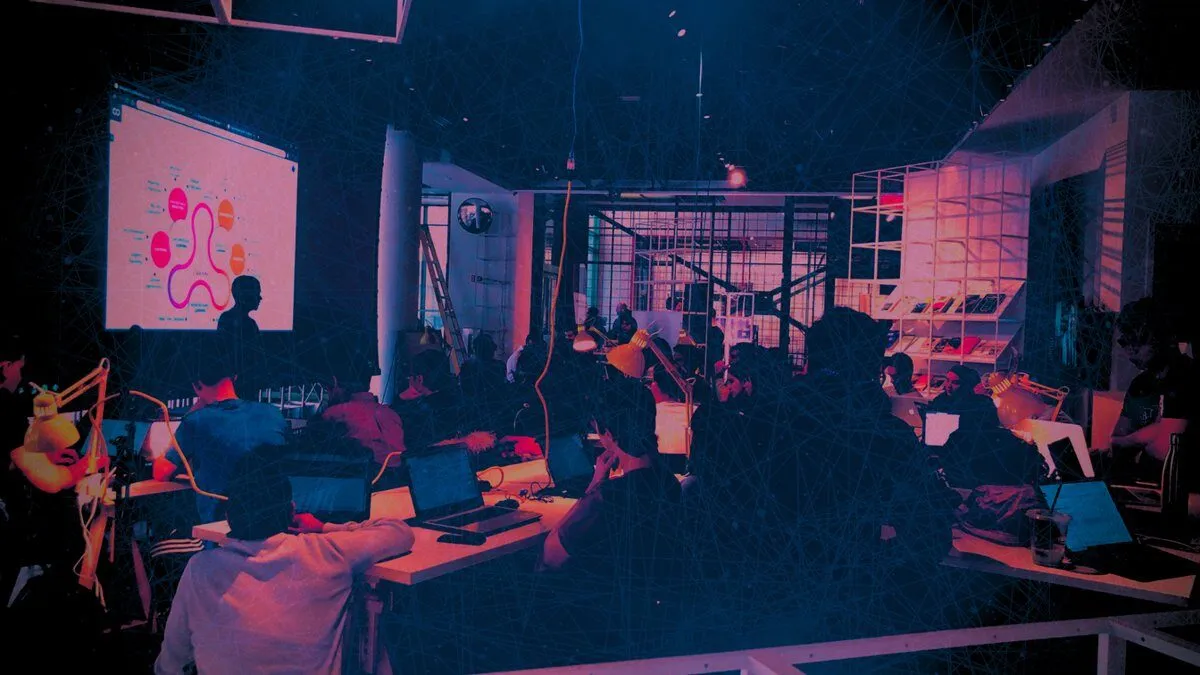
Over ten weeks, fully online and with no prerequisites, CEGEP students built team projects in quantum cryptography, search, cryptanalysis and optimization.
Mentors from Quebec’s quantum sector, introduced by Numana, supported them. The projects were the students’ own, and they presented them at Humanitek 2026.
Applied AI cohort
One team built TweetQuake, a tool that sorts social media posts during disasters so that people responding can find what matters faster.
Fall 2024
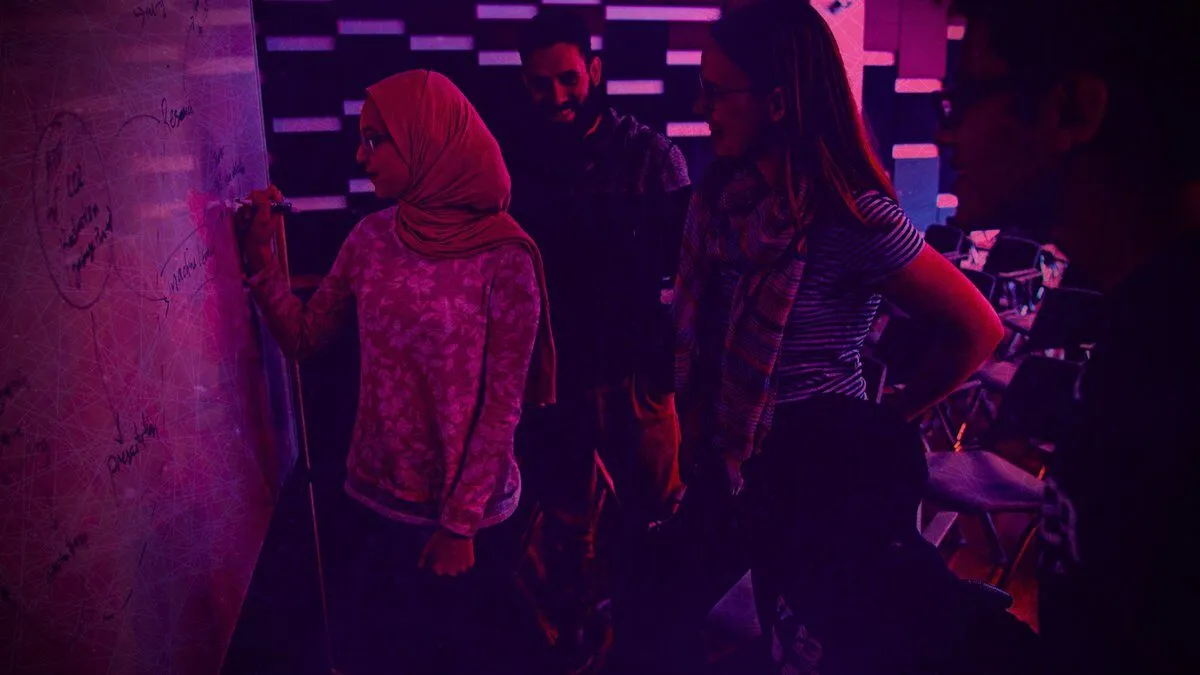
A team built a lung cancer detection project, with a health sciences student bringing her field to the table.
“It was inspiring to use AI to tackle real-world healthcare challenges.”Malak, health sciences student
Winter 2024
A participant arrived with an idea he had been chasing for years: an AI that writes quizzes. His team built it, and presented it at the end of the cohort.
“It amazes me that we can now take an idea and turn it into a real, working solution.”Dante
Internship
An intern built a model that reads facial cues in real-time video to spot signs of drowsiness, work aimed at preventing road accidents.
“It gave me a sense of purpose, knowing that my work could potentially save lives.”Kimia, computer science student
2020
A summer project on computer vision for home fitness became a physiotherapy startup. That fall, the team won a challenge at the Cooperathon, and in 2021 it joined Centech’s accelerator.
“Sometimes all it takes is a fun summer program to meet the right people, which allows you to build something great.”Pierre, co-founder
2022
A CEGEP science student signed up, then took a summer job far from home and joined the Saturday sessions half awake. His instructor noticed, and was patient.
He came back for two more cohorts, and now plans to study engineering and machine learning.
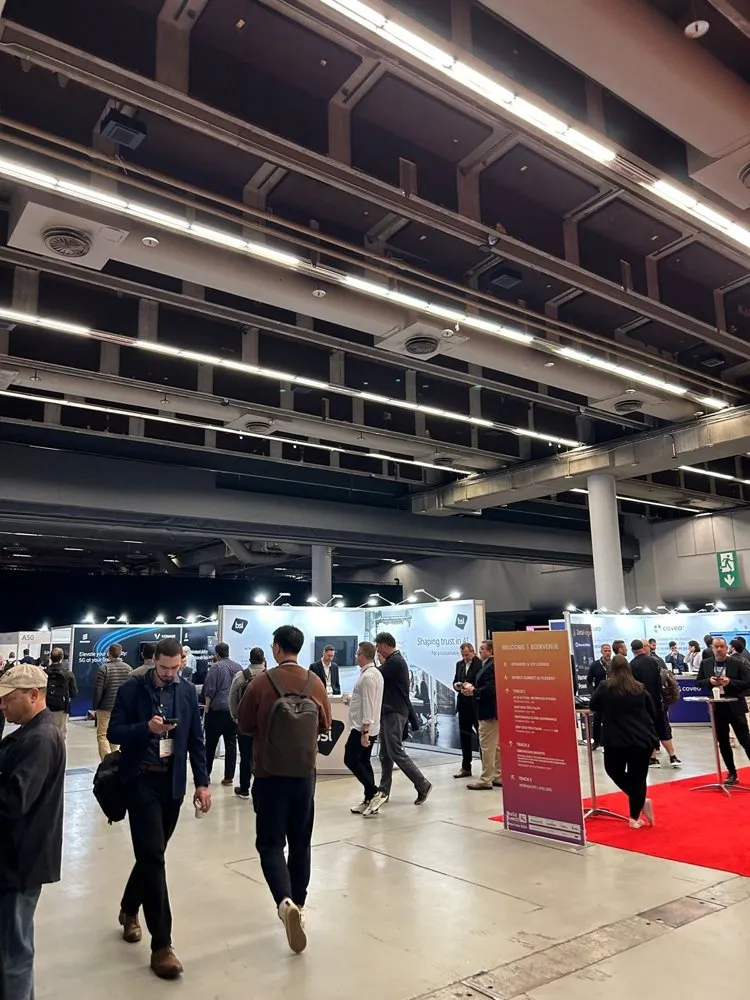
World Summit AI
We invited a participant to World Summit AI. They arrived thinking of AI mostly as a tool for writing software, and left thinking about what it could do for the planet.